


What Is Cataract Surgery and When Is It Recommended? The Quick Answer
Cataract surgery is a procedure in which the eye’s natural lens, which has become cloudy, is removed and replaced with an artificial intraocular lens.
The natural lens acts like an internal lens that helps focus light on the retina. When it becomes cloudy, vision may become blurred, contrast may decrease and glare may increase.
Surgery is usually recommended when a cataract affects quality of life and makes activities such as these more difficult:
- Driving, particularly at night.
- Reading or working on screens.
- Recognising faces clearly.
- Watching television.
- Doing household tasks.
- Walking safely.
- Taking part in leisure activities.
There is no need to wait until the cataract is very advanced. The decision to operate depends on how the loss of vision affects the patient’s life, the overall health of the eye and the findings of the eye examination.
What Exactly Is a Cataract?
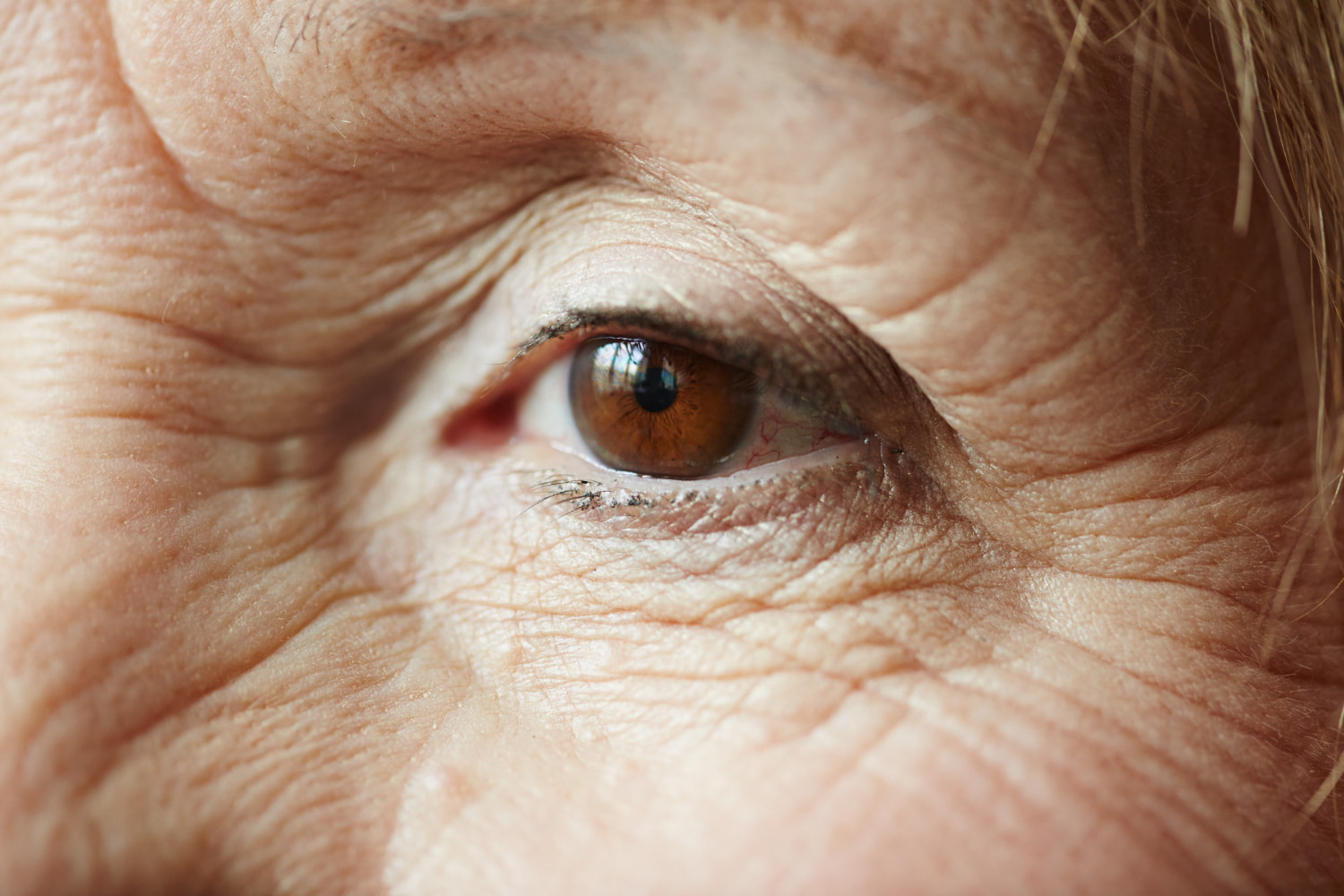
A cataract is a loss of clarity in the eye’s natural lens.
The natural lens is located behind the iris and pupil. It is normally clear and allows light to pass through the eye to form a sharp image on the retina.
As a cataract develops, the natural lens gradually becomes cloudier. As a result, light no longer passes through properly and the quality of vision deteriorates.
You may notice:
- Blurred or cloudy vision.
- The sensation of looking through a dirty window.
- Colours appearing less vivid.
- Glare from sunlight or headlights.
- Halos around lights.
- Difficulty driving at night.
- Needing brighter light to read.
- Frequent changes in your glasses prescription.
- Double vision in one eye.
Cataracts usually progress slowly, although the rate of progression varies from person to person.
Why Do Cataracts Develop?
The most common cause is the natural ageing of the eye’s lens.
Over the years, the proteins that make up the lens can change their structure and cause it to lose clarity.
However, cataracts can also be associated with:
- Diabetes.
- Eye injuries.
- Inflammation inside the eye.
- Long-term use of certain medicines, such as corticosteroids.
- Previous eye surgery.
- Cumulative exposure to ultraviolet radiation.
- Smoking.
- Metabolic conditions.
- Congenital or inherited disorders.
Although cataracts are more common in older people, they can also develop in young adults and children, or even be present from birth.
What Does Cataract Surgery Involve?
Cataract surgery involves removing the cloudy natural lens and replacing it with a clear intraocular lens.
The most widely used technique is called phacoemulsification.
In general, the procedure follows these steps:
- Eye drops are used to dilate the pupil.
- A local anaesthetic is administered, usually as eye drops.
- The surgeon makes a very small incision in the cornea.
- The capsule that contains the natural lens is carefully opened.
- The cloudy lens is broken up using ultrasound.
- The fragments are removed from inside the eye by suction.
- An intraocular lens is implanted inside the capsule.
- The tiny incision usually seals itself without the need for stitches.
The intraocular lens remains permanently in place inside the eye and cannot be seen from the outside.
Is Cataract Surgery Performed with a Laser?
Conventional phacoemulsification uses ultrasound to break up and remove the natural lens.
At some centres and for selected patients, a femtosecond laser may be used for certain stages of the procedure, such as making particular incisions or opening the capsule.
However, even when this laser is used, the natural lens still needs to be removed and an intraocular lens implanted.
Cataract surgery should therefore not be confused with YAG laser treatment, which is used to treat posterior capsule opacification that may develop months or years after surgery.
When Is Cataract Surgery Recommended?
Surgery is recommended when a cataract causes loss of vision that interferes with the patient’s usual needs and daily activities.
It may be considered when:
- Blurred vision makes reading or working difficult.
- The patient no longer feels safe driving.
- Glare at night becomes disabling.
- It becomes difficult to recognise faces or make out details.
- Vision loss limits personal independence.
- The risk of falls or accidents increases.
- Changes to the glasses prescription no longer provide enough improvement.
- The cataract prevents other eye conditions from being examined or treated properly.
- The natural lens is causing certain complications inside the eye.
There is no single level of visual acuity that determines by itself when surgery is required.
Two people with apparently similar cataracts may have very different needs. One may manage normally, while the other may have significant difficulty driving, working or enjoying their hobbies.
Do You Need to Wait Until a Cataract Is “Mature”?
No.
In the past, surgery was delayed until the cataract was very advanced because surgical techniques were different and required the lens to be more opaque.
Today, there is no need to wait until a great deal of vision has been lost or the cataract is “mature”.
Surgery may be considered when:
- The cataract significantly affects the quality of vision.
- The patient can no longer carry out their usual activities comfortably.
- Glasses no longer provide enough improvement.
- The ophthalmologist considers that the likely benefits outweigh the risks.
Waiting too long can cause the lens to harden and may make the procedure technically more complex in some cases.
How Do You Know When It Is Time for Surgery?
The following questions can help assess how the cataract is affecting daily life:
- Can I drive safely during the day and at night?
- Can I see road signs and pedestrians clearly?
- Can I read comfortably, even in good lighting?
- Can I recognise faces from a normal distance?
- Do I need frequent changes to my glasses prescription?
- Am I troubled by excessive glare from sunlight or headlights?
- Have I stopped doing any activity because I am worried that I cannot see well enough?
- Do I need to depend on other people because of my vision loss?
If the answer to several of these questions is no, it may be time to consider surgery.
Can Surgery Be Recommended If I Can Still See Fairly Well?
It may be.
Visual acuity measured in the clinic does not reflect every aspect of the quality of vision.
A person may be able to read relatively small letters during the examination and still experience:
- Severe glare.
- Loss of contrast.
- Halos around lights at night.
- Difficulty driving.
- Poor vision in low-light conditions.
- Difficulty distinguishing details.
That is why the decision should not be based solely on the number of lines that can be read on a visual acuity chart.
When May Surgery Be Recommended for Medical Reasons?
For some patients, surgery may be recommended even when the cataract does not yet severely limit everyday activities.
This may be the case when:
- The natural lens makes it difficult to examine the retina.
- It prevents a condition affecting the back of the eye from being treated properly.
- It contributes to raised intraocular pressure.
- It causes significant narrowing of the drainage angle of the eye.
- There is inflammation caused by an advanced cataract.
- There is a difference in prescription between the two eyes that is difficult to correct.
The recommendation for surgery should be based on an assessment of the whole eye, not just the clarity of the natural lens.
What Tests Are Performed Before Cataract Surgery?
A comprehensive eye examination is required before surgery.
This may include:
- Visual acuity: measures how well each eye can see.
- Refraction: assesses the current optical correction.
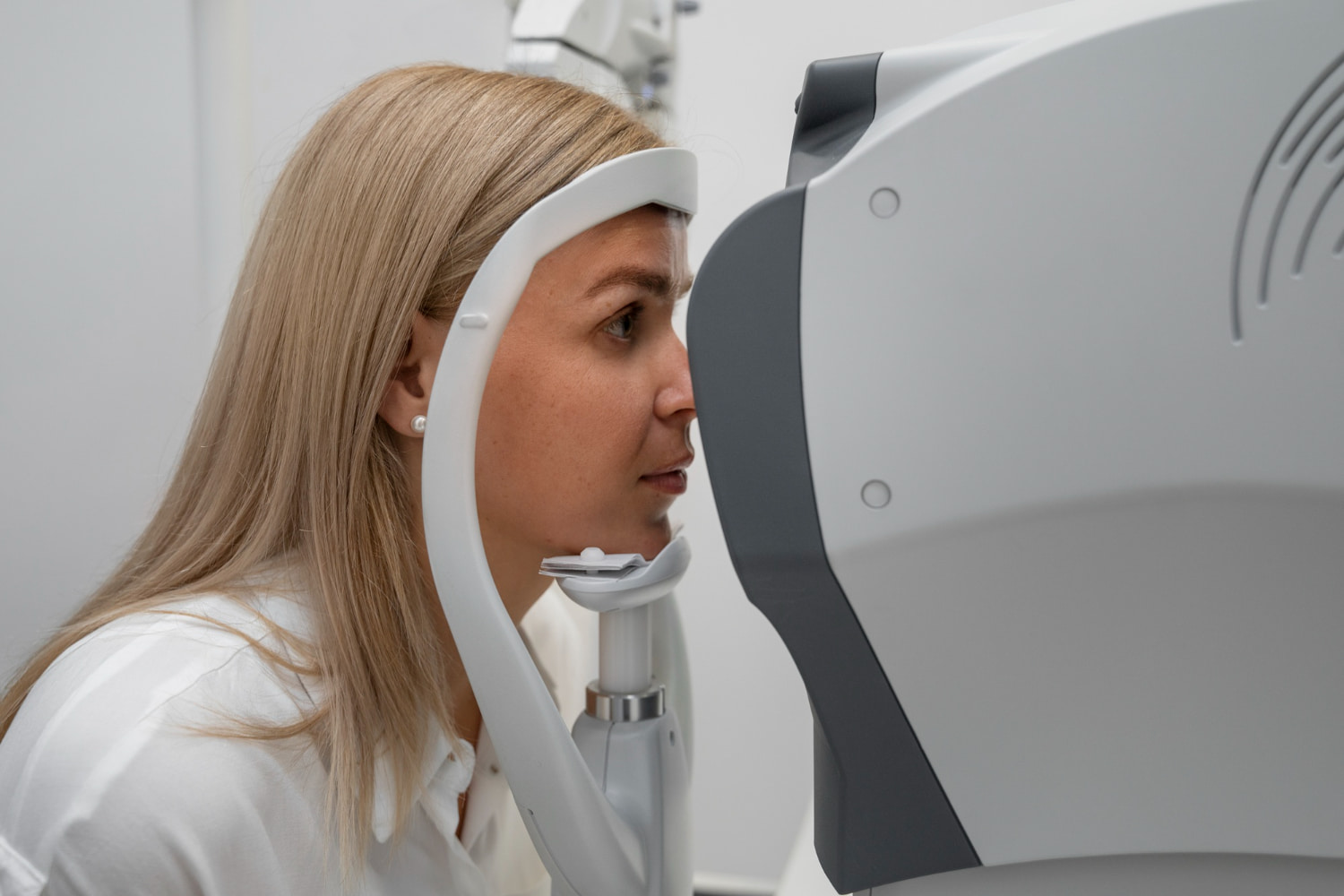
- Slit-lamp examination: allows the cataract and the structures at the front of the eye to be assessed.
- Intraocular pressure: helps detect glaucoma and other conditions.
- Fundus examination: assesses the retina, macula and optic nerve.
- Biometry: calculates the required power of the intraocular lens.
- Corneal topography: analyses the shape of the cornea and corneal astigmatism.
- OCT: provides a detailed assessment of the macula and optic nerve when indicated.
- Pachymetry: measures corneal thickness in selected patients.
These tests help confirm that the cataract is the main cause of the vision loss and allow the procedure to be planned.
You can find out more about the ophthalmic diagnostic tests that may be carried out before surgery.
What Is Ocular Biometry?
Biometry is one of the most important tests performed before cataract surgery.
It measures several characteristics of the eye, including:
- Its length.
- The curvature of the cornea.
- The depth of certain internal structures.
- Corneal astigmatism.
These measurements are used to calculate the power of the intraocular lens to be implanted.
Accurate biometry is essential when aiming to achieve the refractive outcome agreed with the patient.
What Types of Intraocular Lenses Are Available?
Not every patient needs the same type of lens.
The choice depends on:
- The health of the cornea.
- The health of the retina and optic nerve.
- The presence of astigmatism.
- Your day-to-day activities.
- The patient’s visual expectations.
- Tolerance of possible optical side effects.
- The need or desire to reduce dependence on glasses.
Monofocal Lenses
Monofocal lenses provide one main focal point.
They are usually calculated to provide good distance vision, although other strategies may also be considered.
After surgery, glasses are usually still needed for:
- Reading.
- Using a mobile phone.
- Carrying out tasks at near distances.
Toric Lenses
Toric lenses are designed to correct some of the corneal astigmatism.
They may be used when a patient has astigmatism that would otherwise reduce the quality of vision after surgery.
Extended-Depth-of-Focus Lenses
These lenses are designed to extend the range of vision, particularly at distance and intermediate ranges.
They may reduce dependence on glasses for some activities, although they do not guarantee complete freedom from glasses.
Multifocal or Trifocal Lenses
Multifocal or trifocal lenses distribute light between different focal points to provide vision at several distances.
They may offer greater independence from glasses for:
- Distance vision.
- Using a computer.
- Checking a mobile phone.
- Reading.
They are not suitable for every eye or every patient. Some people may notice halos, glare or reduced contrast, particularly during the adaptation period.
The choice should be made after a comprehensive examination and a realistic discussion of the patient’s needs and expectations.
Can You Stop Wearing Glasses After Cataract Surgery?
Surgery can reduce dependence on glasses, but it does not always eliminate the need for them completely.
The outcome depends on:
- The lens implanted.
- The prescription before surgery.
- Astigmatism.
- The accuracy of the preoperative measurements.
- Healing.
- The health of the retina, cornea and optic nerve.
Even with a premium lens, glasses may still be needed for certain specific tasks.
Clear, honest guidance before surgery helps set realistic expectations.
How Is the Most Suitable Intraocular Lens Selected?
The lens should not be chosen solely on price or because it is the most technologically advanced option.
The ophthalmologist should assess:
- The overall health of the eye.
- The quality of the cornea.
- The presence of dry eye.
- The health of the macula.
- The presence of glaucoma.
- The type and degree of astigmatism.
- The patient’s occupation and hobbies.
- How important night driving is to the patient.
- Their willingness to wear glasses after surgery.
- Tolerance of halos or other visual phenomena around lights.
A lens that is an excellent choice for one patient may not be suitable for another.
Is Cataract Surgery Painful?
The procedure is usually performed under local anaesthetic using eye drops, so the eye remains numb during surgery.
The patient may notice:
- Lights.
- Colours.
- Shadows.
- Movement.
- A slight sensation of pressure.
Severe pain should not be expected.
In some cases, medication may be given to help the patient remain relaxed.
How Long Does Cataract Surgery Take?
The procedure is usually relatively brief, although the duration depends on the complexity of each case.
The total time spent at the clinic is longer because it includes:
- Preparation beforehand.
- Dilation of the pupil.
- Cleaning the area.
- The procedure itself.
- Immediate recovery.
- Postoperative instructions.
Cataract surgery is usually performed as a day-case procedure, and the patient can return home the same day.
Are Both Eyes Operated on at the Same Time?
Often, one eye is treated first and the second is operated on after the recovery of the first has been assessed.
The interval may vary depending on:
- The surgeon’s clinical judgement.
- The recovery of the first eye.
- The difference in vision between the two eyes.
- The person’s visual needs.
- The clinical circumstances.
Immediate sequential bilateral surgery may be considered under certain protocols and for selected patients, but it is not appropriate in every case.
What Is Recovery Like After Cataract Surgery?
Vision may be blurred during the first few hours or days.
You may also experience:
- A gritty sensation.
- Watery eyes.
- Mild sensitivity to light.
- Mild discomfort.
- Mild redness.
- Temporary halos.
Many patients notice an improvement in their vision during the first few days, although complete stabilisation takes longer.
Eye drops are usually prescribed after surgery to control inflammation and reduce the risk of infection.
Aftercare Following Cataract Surgery
Instructions may vary depending on the surgeon and the circumstances of the case.
In general, we recommend that you:
- Use the eye drops exactly as prescribed.
- Wash your hands before touching the area around the eye.
- Do not rub or press on the eye.
- Avoid knocks or impacts to the eye.
- Avoid strenuous activity during the first few days.
- Prevent water, soap or dirt from getting directly into the eye.
- Do not swim until your specialist says it is safe.
- Use the eye shield if advised.
- Attend all scheduled follow-up appointments.
When to resume driving, work or exercise should be decided according to visual recovery and your doctor’s advice.
What Are the Risks of Cataract Surgery?
Cataract surgery is a common and generally safe procedure, but, like any surgical procedure, it is not free from risk.
Possible complications include:
- Infection.
- Inflammation.
- Raised intraocular pressure.
- Corneal oedema.
- Inflammation of the macula.
- Retinal detachment.
- Displacement of the intraocular lens.
- Rupture of the lens capsule.
- Need for additional procedures.
- A refractive outcome different from that expected.
The likelihood and consequences of each complication depend on the eye’s condition before surgery and the complexity of the procedure.
Informed consent allows you to understand the expected benefits, limitations and risks before making a decision.
Which Symptoms Require Urgent Attention After Surgery?
Contact your medical team or seek urgent assessment if you experience:
- Severe or worsening eye pain.
- Sudden loss of vision.
- Sudden deterioration after an initial improvement.
- A very red eye.
- Heavy discharge.
- Marked inflammation.
- New flashes of light.
- A sudden increase in floaters.
- A shadow or curtain across your field of vision.
- Nausea accompanied by severe eye pain.
These symptoms should not be considered a normal part of recovery.
Can a Cataract Return After Surgery?
A cataract cannot grow back because the natural lens has been removed.
However, over time, the posterior part of the capsule that supports the intraocular lens can become cloudy.
This is known as posterior capsule opacification.
It can cause:
- Blurred vision.
- Loss of contrast.
- Glare.
- A feeling that the cataract has returned.
It is treated with YAG laser capsulotomy, a procedure that is different from the original surgery.
Does Cataract Surgery Improve Vision for Everyone?
The improvement also depends on the health of the rest of the eye.
If you have conditions such as:
- Advanced glaucoma.
- Macular degeneration.
- Diabetic retinopathy.
- Optic nerve damage.
- Significant corneal disease.
Surgery can remove the cloudy lens, but your final vision may still be limited by these conditions.
That is why it is important to assess the retina, macula, cornea and optic nerve before discussing the likely outcome.
What Happens If I Decide Not to Have Surgery Yet?
In many cases, an early cataract can be monitored if it does not significantly affect daily life.
In the meantime, you can try:
- Updating your glasses prescription.
- Improving the lighting.
- Avoiding driving at night if glare is a problem.
- Wearing sunglasses.
- Attending regular eye examinations.
Cataracts do not usually disappear or improve on their own.
If they progress, there will come a point when glasses can no longer adequately compensate for the loss of vision.
Common Mistakes When Considering Cataract Surgery
Waiting Until Your Sight Is Very Poor
You do not need to wait until the loss of vision is severe. Surgery can be considered when the cataract affects your independence and quality of life.
Choosing a Lens Based on Price Alone
The lens should be selected to suit the anatomy of your eye, your visual needs and your expectations.
Assuming Every Premium Lens Is Suitable for Everyone
Certain eye conditions, activities or visual needs may mean that a particular lens is not advisable.
Assuming Surgery Guarantees You Will Never Need Glasses Again
Freedom from glasses depends on the lens, the eye and the refractive outcome. No option can guarantee that you will never need glasses in every situation.
Not Mentioning Your Usual Activities
Night driving, reading for long periods, computer use and precision work are all important considerations when choosing the most suitable visual strategy.
Failing to Assess the Rest of the Eye
A cataract may not be the only cause of vision loss. The retina, cornea and optic nerve must also be assessed.
Frequently Asked Questions About Cataract Surgery
What Is Cataract Surgery?
It is a procedure in which the natural lens that has become cloudy is removed and replaced with an artificial intraocular lens.
When Is Cataract Surgery Recommended?
When loss of vision, glare or reduced contrast makes everyday activities difficult, or when the cataract causes or hinders the treatment of other eye problems.
Do You Need to Wait Until a Cataract Is “Mature”?
No. Cataract surgery can now be carried out when the cataract begins to have a meaningful impact on quality of life and your specialist considers the procedure appropriate.
Is cataract surgery painful?
It is usually performed under local anaesthetic and should not cause severe pain. You may notice lights, movement or slight pressure.
How Long Does the Procedure Take?
The surgery itself is usually brief, although your total time at the clinic will be longer because of the preparation and immediate recovery period.
Will I Be Put Completely to Sleep?
A general anaesthetic is not normally needed. You will usually remain awake with the eye numbed and, when appropriate, medication to help you relax.
When Will My Vision Start to Improve?
Many patients notice an improvement during the first few days, although vision needs time to stabilise fully.
Will I Be Able to Drive After Surgery?
You must not drive immediately afterwards. You can return to driving once your vision is adequate and your ophthalmologist considers it safe.
Will I Need Glasses After Cataract Surgery?
It depends on the lens implanted, any astigmatism, the refractive outcome and your visual needs. Some patients continue to use glasses for certain distances.
Which Is the Best Intraocular Lens?
There is no single lens that is best for everyone. The right option depends on the health of your eye, your usual activities and your expectations.
Can Cataracts Return?
A cataract cannot return, but posterior capsule opacification can develop and is treated with a YAG laser.
Can Both Eyes Be Operated On?
Yes, although they are often treated at different times. The interval is decided according to your individual case and how the first eye recovers.
Which Specialist Performs Cataract Surgery?
The procedure should be performed by an ophthalmic surgeon following a comprehensive assessment.
A Personalised Recommendation Is Key to a Good Outcome
Cataract surgery replaces the cloudy natural lens with a clear intraocular lens, helping to restore lost visual quality.
However, the timing of surgery and the type of lens should not be decided solely on the basis of age, prescription or the apparent severity of the cataract.
At Centro Oftalmológico del Llano, we carry out a comprehensive assessment to determine how much the cataract is affecting your vision, evaluate the health of the rest of the eye and explain the intraocular lens options clearly and realistically.
The aim is to choose a solution tailored to each patient’s eye health, everyday activities and expectations.
Learn more about our cataract surgery.