


Blurred Vision: The Short Answer
If you have started to experience blurred vision, it is important to know that blurred vision is not a disease in itself, but a symptom with many possible causes.
Sometimes it is simply due to a change in your prescription, but in other cases it may be the first sign of conditions such as:
- Cataracts.
- Glaucoma.
- Dry eye.
- Retinal conditions.
- Macular degeneration.
- Diabetes.
- Retinal detachment.
- Inflammation or infection.
The key is not to ignore the symptom, especially if it begins suddenly or is accompanied by other warning signs.
If blurred vision starts suddenly, affects only one eye, or is accompanied by flashes, loss of vision, severe pain or a dark curtain across your sight, seek urgent ophthalmic care.
What Exactly Does Blurred Vision Mean?
Blurred vision is a loss of sharpness that makes it difficult to distinguish details in faces, objects or text.
People describe it in different ways.
For example:
- “It feels as though I am looking through fog.”
- “I cannot focus properly.”
- “Everything looks out of focus.”
- “The letters seem to run together.”
- “My vision is worse when driving.”
- “My night vision is very poor.”
These differences help the ophthalmologist narrow down the diagnosis.
Main Causes of Blurred Vision
1. Refractive Errors
This is the most common cause.
It may be due to:
- Short-sightedness.
- Long-sightedness.
- Astigmatism.
- Presbyopia.
Symptoms usually develop gradually.
You may notice that:
- Road signs or other distant text are difficult to read.
- You need to hold your phone farther away.
- Your eyes feel strained.
- Headaches develop.
In these cases, a comprehensive eye examination is usually all that is needed to update your prescription.
2. Cataracts
Cataracts cause the eye’s natural lens to become progressively cloudy.
Patients often describe it as:
- “It is like looking through a dirty window.”
- “Colours look faded.”
- “I am very sensitive to glare.”
Other common symptoms include:
- Greater difficulty driving at night.
- Frequent changes to your glasses prescription.
- Progressively blurred vision.
Cataract surgery can restore vision by replacing the cloudy natural lens with an intraocular lens.
3. Dry Eye
Many people do not associate dry eye with blurred vision.
However, it is a very common cause.
Vision may:
- Clear briefly after blinking.
- Worsen when using screens.
- Fluctuate throughout the day.
Other symptoms may include:
- Stinging or burning.
- A gritty sensation.
- Watery eyes.
- Discomfort in air-conditioned environments.
4. Glaucoma
Glaucoma is often known as the “silent thief of sight”.
In its early stages, it may cause no symptoms.
When symptoms do occur, they may include:
- Blurred vision.
- Loss of peripheral vision.
- Difficulty driving.
- Difficulty seeing at night.
Early detection is essential to prevent irreversible sight loss.
5. Retinal Conditions
The retina can be affected by several different conditions.
These include:
- Retinal detachment.
- Macular degeneration.
- Diabetic retinopathy.
- Epiretinal membranes.
Patients may notice:
- Wavy or distorted lines.
- Spots or blind spots.
- Loss of central vision.
- Floaters.
- Flashes of light.
6. Diabetes
Diabetes can damage the blood vessels in the retina.
For some people, blurred vision is the first sign that leads to a diabetes diagnosis.
Regular eye examinations are therefore important.
7. Migraine With Visual Aura
In some cases, blurred vision lasts between 15 and 60 minutes.
It may be accompanied by:
- Bright or flashing lights.
- Zigzag patterns.
- Spots in the field of vision.
A headache may follow.
8. Eye Infections and Inflammation
Conjunctivitis.
Keratitis.
Uveitis.
All of these may cause:
- Blurred vision.
- Pain.
- Redness.
- Sensitivity to light.
When Is Blurred Vision an Emergency?
Seek urgent medical attention if you experience any of the following:
- Sudden blurred vision.
- Sudden loss of vision.
- Flashes of light.
- A sudden increase in floaters.
- A dark curtain across your vision.
- Severe eye pain.
- An eye injury.
- Double vision.
- A very red eye accompanied by loss of vision.
These symptoms may indicate a condition that requires immediate treatment.
What Tests Does an Ophthalmologist Perform?
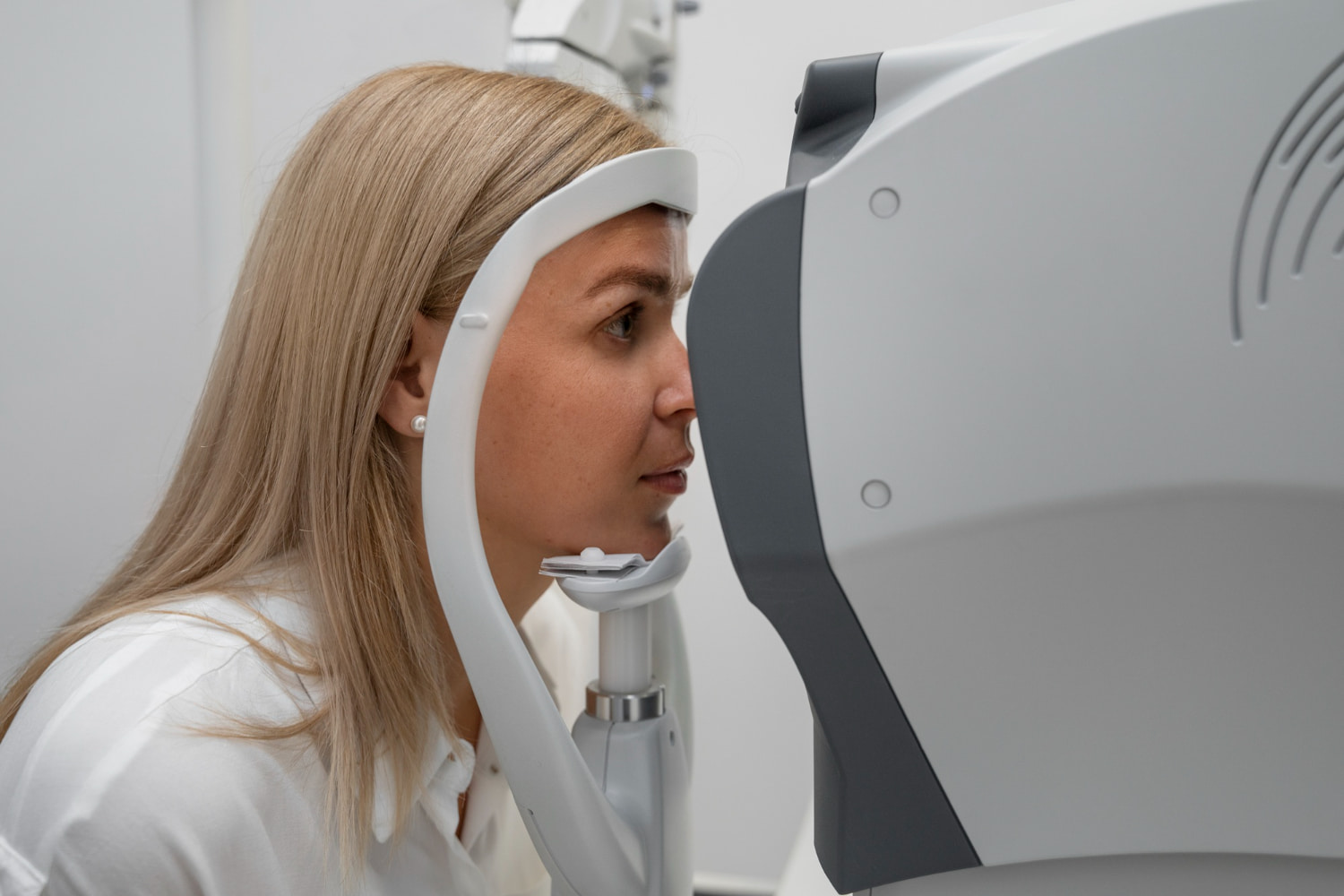
A comprehensive eye examination usually includes:
- Medical history.
- Refraction test.
- Visual acuity test.
- Intraocular pressure measurement.
- Slit-lamp examination.
- Dilated fundus examination.
- OCT when required.
- Visual field testing in selected cases.
At Centro Oftalmológico del Llano, your first appointment includes a comprehensive eye examination tailored to your needs, with the aim of identifying the cause of blurred vision and recommending the most appropriate treatment.
How Is Blurred Vision Treated?
Treatment depends entirely on the diagnosis.
This may include:
| Cause | Treatment |
| Refractive error | Glasses or contact lenses |
| Cataracts | Surgery |
| Dry eye | Artificial tears and targeted treatment |
| Glaucoma | Eye drops, laser treatment or surgery |
| Retinal condition | Specialist treatment |
| Infections | Medication |
| Diabetes | Blood glucose control and retinal treatment |
How to Help Prevent Blurred Vision
Although not every cause can be prevented, you can reduce your risk by following these recommendations:
- Attend regular eye examinations.
- Keep diabetes and high blood pressure under control.
- Protect your eyes from UV radiation.
- Take regular breaks when using screens.
- Do not smoke.
- Eat a balanced diet.
- Seek advice if you notice any change in your vision.
Frequently Asked Questions
Is It Normal to Have Blurred Vision on Waking?
This may be due to dry eye, but if it happens frequently, it should be assessed by an ophthalmologist.
Does Blurred Vision Mean I Need Glasses?
Not always. A number of eye conditions can also cause blurred vision.
Can Stress Cause Blurred Vision?
Stress can contribute to eye strain or migraine, but it is always advisable to rule out an eye condition.
Can Blurred Vision Go Away on Its Own?
It depends on the cause. Some episodes are temporary, while others require urgent treatment.
Which Doctor Should I See for Blurred Vision?
An ophthalmologist is the appropriate specialist, as they can assess both your prescription and any conditions affecting the eyes.
Blurred vision should never be regarded as normal. Although it is often due simply to a change in prescription or the natural ageing of the eye, it can also be the first sign of a condition that needs early treatment to preserve sight.
If you have started to notice blurred vision, especially if it begins suddenly, worsens quickly or is accompanied by pain, flashes or loss of vision, the best course of action is to have a comprehensive eye examination. An early diagnosis can make the difference between straightforward treatment and permanent damage.