


Why Are My Eyes Watering?
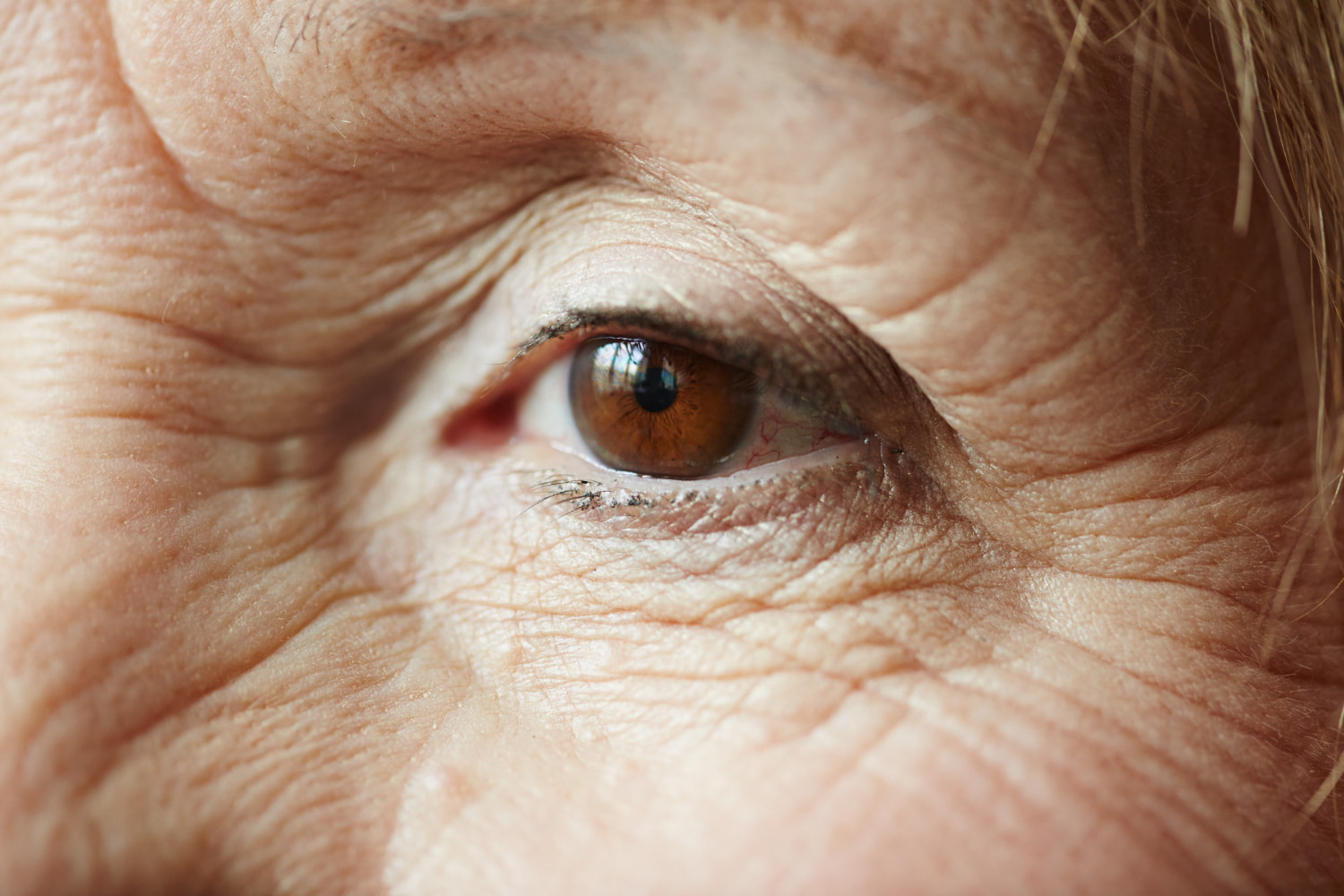
If your eyes are constantly watering, it may seem logical to assume that you are producing too many tears. However, excessive watering does not always mean that the eye is too moist.
In many cases, watery eyes occur because the ocular surface is dry, irritated or inflamed. The eye tries to protect itself by producing reflex tears, although these tears do not always have the right composition to keep it properly lubricated.
Constant watering can also be caused by:
- Dry eye.
- Eye allergies.
- Conjunctivitis.
- Blepharitis.
- Tear duct obstruction.
- Eyelid position abnormalities.
- Eyelashes rubbing against the eye.
- A foreign body in the eye.
- Exposure to wind, cold or smoke.
When watering persists, mainly affects one eye, or is accompanied by pain, discharge, blurred vision, swelling or marked redness, an ophthalmic examination is recommended.
What Does It Mean to Have Watery Eyes?
Excessive watering, medically known as epiphora, occurs when tears build up in the eye and spill over the edge of the eyelids.
It can occur through two main mechanisms:
- The eye produces more tears than necessary in response to dryness, irritation, allergy, inflammation or pain.
- Tears cannot drain properly because of an obstruction or a problem affecting the eyelids or tear drainage system.
Tears are produced mainly by the lacrimal glands. After spreading across the ocular surface with each blink, they should drain through small openings near the nose called the lacrimal puncta.
From there, they travel through the canaliculi, lacrimal sac and nasolacrimal duct before draining into the nose.
When this system does not work properly, tears remain on the ocular surface and run down the cheek.
Why Can Dry Eyes Water?
Although it may seem contradictory, dry eye is one possible cause of watery eyes.
The tear film is made up of different components that keep the eye lubricated and protected and maintain a regular optical surface. When there are too few tears or they evaporate too quickly, the ocular surface becomes irritated.
As a protective response, the body may produce a large volume of reflex tears.
These tears tend to be more watery and do not always contain the right proportion of oil and mucin needed to remain on the eye. They can therefore overflow without actually relieving the dryness.
Watering related to dry eye is often accompanied by:
- Stinging or burning.
- A gritty sensation.
- Itchy eyes.
- Blurred vision that improves after blinking.
- Discomfort when using screens.
- Sensitivity to wind or air conditioning.
- A need to close the eyes.
- Eye redness.
Watering therefore does not rule out dry eye.
Main Causes of Watery Eyes
1. Dry Eye
Dry eye may develop when not enough tears are produced or when they evaporate too quickly.
Contributing factors include:
- Prolonged use of computers, mobile phones and other screens.
- Dry or air-conditioned environments.
- Frequent exposure to wind.
- Contact lens wear.
- Older age.
- Hormonal changes.
- Meibomian gland dysfunction.
- Certain medicines.
- Inflammatory or autoimmune conditions.
When we look at a screen, we tend to blink less often. This encourages tear evaporation and can lead to a combination of dryness, eye strain and watering.
2. Tear Duct Obstruction
Tears should travel from the eye to the nose through the tear drainage system.
If any of its ducts are narrowed or blocked, tears cannot drain properly and eventually run down the cheek.
In adults, an obstruction may be associated with:
- Chronic inflammation.
- Previous infections.
- Progressive narrowing of the ducts.
- Eye injuries.
- Nasal or facial surgery.
- Anatomical abnormalities.
When the obstruction affects the lacrimal sac, an infection known as dacryocystitis may develop.
As well as watering, it can cause:
- Pain near the nose.
- Swelling at the inner corner of the eye.
- Redness.
- Discharge.
- Recurrent conjunctivitis.
3. Eye Allergies
Allergies can cause inflammation of the conjunctiva and lead to profuse watering.
Symptoms usually affect both eyes and may worsen at certain times of year or after exposure to:
- Pollen.
- Dust mites.
- Animal dander.
- Mould.
- Cosmetics.
- Other environmental allergens.
The most characteristic symptom of an eye allergy is usually severe itching.
Other symptoms may include:
- Redness.
- Swollen eyelids.
- Watery discharge.
- Sneezing or nasal congestion.
- Sensitivity to light.
Rubbing your eyes can increase inflammation and make the discomfort worse.
4. Conjunctivitis
Conjunctivitis is inflammation of the transparent membrane covering the white of the eye and the inside of the eyelids.
It may be:
- Viral.
- Bacterial.
- Allergic.
- Irritant.
In addition to watering, it can cause:
- A red eye.
- Itching or stinging.
- A foreign body sensation.
- Sticky or crusty discharge.
- Watery or thick discharge.
- Eyelids stuck together on waking.
Not all cases of conjunctivitis require the same treatment. Antibiotics are only appropriate in certain cases and should be prescribed following professional assessment.
5. Blepharitis
Blepharitis is inflammation of the eyelid margin. It can affect the area where the eyelashes grow or the glands that supply the oily component of the tear film.
When these glands do not work properly, tears evaporate too quickly and the eye becomes irritated.
Symptoms can include:
- Watery eyes.
- Crusting around the eyelashes.
- Itching.
- Redness of the eyelid margin.
- A gritty sensation.
- Swollen eyelids.
- Dry eye.
- Recurrent styes or chalazia.
Blepharitis is often chronic and may require eyelid hygiene measures and specific treatment.
6. Eyelashes Rubbing Against the Ocular Surface
A misdirected eyelash can come into contact with the cornea or conjunctiva.
This problem is known as trichiasis and can cause:
- Constant watering.
- A feeling that something is in the eye.
- Pain or sharp stinging.
- Redness.
- Sensitivity to light.
- Corneal injury.
Removing the eyelash may provide temporary relief, but if it grows back in the same direction, a longer-lasting solution will need to be considered.
7. Entropion
Entropion is a condition in which the eyelid margin turns inwards.
As a result, the skin and eyelashes may continuously rub against the ocular surface.
It is more common in older people because the eyelid tissues lose their tension over time.
It can cause:
- Persistent watering.
- Pain.
- Severe irritation.
- A foreign body sensation.
- Corneal ulcers.
- Risk of infection.
- Reduced vision in advanced cases.
Definitive treatment is usually surgical, particularly when the eyelashes remain in constant contact with the cornea.
8. Ectropion
Ectropion occurs when the lower eyelid turns outwards and no longer rests properly against the eye.
This can prevent tears from reaching the lacrimal punctum and draining normally.
It also leaves part of the ocular surface more exposed.
It can cause:
- Constant watering.
- Dryness.
- Redness.
- Irritation.
- Discharge.
- Eyelid inflammation.
Although the eye waters, the ocular surface may be dry because tears are distributed poorly and the eye is exposed.
9. Lacrimal Punctum Problems
The lacrimal puncta are the small openings located at the inner edge of the eyelids.
For tears to drain, these openings must be patent, correctly positioned and in contact with the surface of the eye.
Watering may occur when:
- The lacrimal punctum is narrowed.
- It is blocked.
- It is displaced because of an eyelid abnormality.
- It does not come into contact with the tears.
In some cases, this can be corrected with procedures designed to widen the punctum or improve the position of the eyelid.
10. Foreign Bodies and Corneal Injuries
An eyelash, a particle of dust, sand, metal or another foreign body can trigger intense tear production.
It can also occur when there is a small abrasion or injury to the cornea.
Symptoms usually begin suddenly:
- Profuse watering.
- Pain.
- Redness.
- Difficulty keeping the eye open.
- Sensitivity to light.
- A feeling that something is in the eye.
Do not try to remove an embedded object or repeatedly manipulate the eye. An examination is needed to rule out corneal injury.
11. Exposure to Wind, Cold, Smoke or Irritants
Watering can be a normal protective response to environmental stimuli.
Common triggers include:
- Strong wind.
- Cold.
- Smoke.
- Pollution.
- Strong perfumes.
- Cleaning products.
- Chemical fumes.
- Bright light.
When watering stops after moving away from the trigger and there are no other symptoms, it does not usually indicate an eye condition.
12. Contact Lens Wear
Contact lenses can cause watering when:
- They do not fit properly.
- They are worn for too many hours.
- The eye is dry.
- The lens is dirty or damaged.
- An inflammatory reaction has developed.
- There is a corneal infection.
If watering occurs together with pain, redness, discharge or loss of vision, remove the lens and seek ophthalmic assessment.
Why Is Only One Eye Watering?
When watering affects only one eye, it may point to a localised cause.
Possible causes include:
- Tear drainage obstruction on that side.
- A narrowed lacrimal punctum.
- An eyelid abnormality affecting one side.
- An eyelash rubbing against the cornea.
- A foreign body.
- A corneal injury.
- A localised infection.
Watering in one eye does not necessarily mean that there is a serious problem. However, when it persists, it is particularly important to assess tear drainage and eyelid position.
Why Do My Eyes Water When I Go Outside?
Wind and cold speed up evaporation of the tear film.
When the ocular surface becomes dry or irritated, the eye responds by producing reflex tears. This explains why some people begin to water when they go outside, cycle or walk on cold days.
Other contributing factors include:
- A pollen allergy.
- Pollution.
- Sensitivity to light.
- A pre-existing ocular surface problem.
- Poor eyelid position.
If this happens regularly, dry eye or eyelid problems should be ruled out.
Why Do My Eyes Water When I Use a Computer?
When using screens, we blink less often and, in some cases, do not complete each blink.
This causes tears to evaporate more quickly and leaves the ocular surface less well lubricated.
This can lead to:
- Watery eyes.
- Dryness.
- Intermittent blurred vision.
- A heavy feeling in the eyes.
- Headaches.
- A need to rub the eyes.
Take regular breaks, blink consciously and avoid having air conditioning directed at your face.
Why Do My Eyes Water When I Wake Up?
Watering on waking can be associated with several conditions:
- Night-time dry eye.
- Blepharitis.
- Meibomian gland dysfunction.
- An allergy to dust mites or other allergens in the bedroom.
- Incomplete eyelid closure during sleep.
- Conjunctivitis.
If there is heavy discharge, pain, persistent blurred vision or difficulty opening the eye, you should arrange an eye examination.
When Should You Be Concerned About Watery Eyes?
Seek ophthalmic assessment if:
- Your eyes water constantly for several days or weeks.
- Watering interferes with reading, driving or work.
- Tears constantly run down your cheek.
- The problem affects only one eye.
- There is discharge or recurrent conjunctivitis.
- You notice swelling near your nose.
- The eyelid turns inwards or outwards.
- Your eyelashes rub against your eye.
- The problem began after surgery or an injury.
When Are Watery Eyes an Emergency?
Watery eyes require urgent attention when accompanied by:
- Severe eye pain.
- Sudden loss or reduction of vision.
- A very red eye.
- Severe sensitivity to light.
- An eye injury.
- Contact with a chemical.
- An object embedded in the eye.
- Painful swelling beside the nose.
- Heavy discharge and feeling generally unwell.
- Pain and redness in contact lens wearers.
If a chemical enters the eye, rinse it immediately with plenty of clean water and seek urgent medical attention.
How Is the Cause of Watery Eyes Diagnosed?
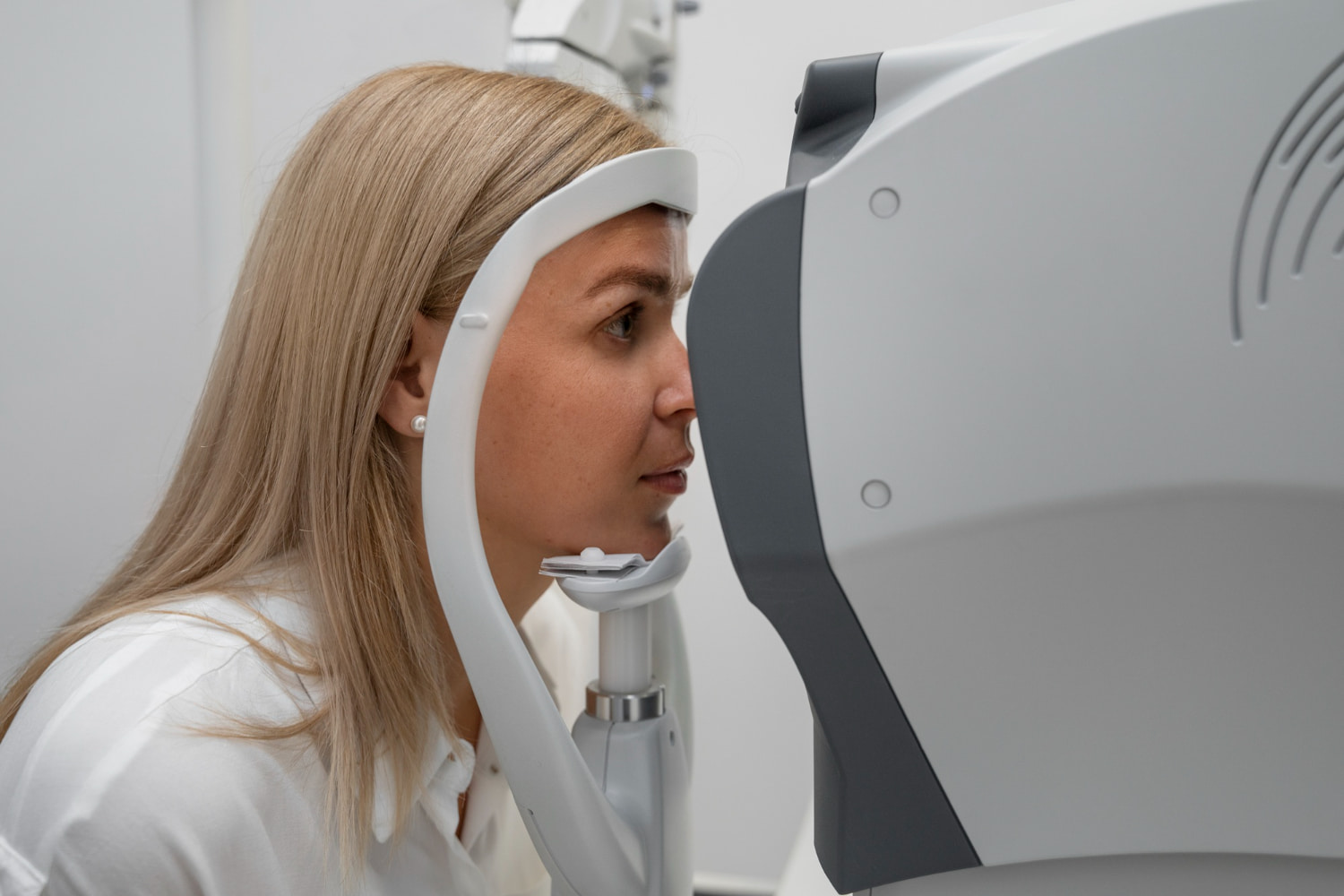
The right treatment depends on identifying whether the problem is caused by excessive tear production, a disorder of the ocular surface or difficulty with drainage.
The examination may include:
- A medical history and description of your symptoms.
- A visual acuity assessment.
- Examination of the ocular surface.
- Assessment of the eyelid margins.
- Assessment of eyelid position.
- Checking for misdirected eyelashes.
- Assessment of the tear film.
- Examination of the lacrimal puncta.
- Tests to assess tear drainage.
- Irrigation or probing of the tear drainage system when indicated.
In some cases, additional tests or imaging studies may be needed to locate an obstruction or assess structures close to the tear drainage system.
How Are Watery Eyes Treated?
There is no single treatment for watery eyes. The solution depends on the cause.
| Cause | Possible treatment |
| Dry eye | Ocular lubrication and targeted treatment of the ocular surface |
| Blepharitis | Eyelid hygiene and treatment of inflammation |
| Eye allergy | Avoidance of the allergen and appropriate anti-allergy treatment |
| Conjunctivitis | Treatment according to the underlying cause |
| Misdirected eyelashes | Removal or definitive treatment of the eyelash follicle |
| Entropion | Correction of eyelid position |
| Ectropion | Treatment of ocular exposure and eyelid correction |
| Lacrimal punctum narrowing | Dilation or a procedure to widen the punctum |
| Tear duct obstruction | Treatment of the tear drainage system according to the location of the blockage |
| Foreign body | Removal and assessment for possible injuries |
Dry Eye Treatment
When watering is caused by dry eye, treatment may include:
- Artificial tears.
- Lubricating gels or ointments.
- Eyelid hygiene.
- Warm compresses.
- Treatments for the Meibomian glands.
- Reducing exposure to dry environments.
- Breaks during screen use.
- Specific medical treatments for moderate or severe cases.
Not all artificial tears are the same. The most appropriate option depends on the type and severity of dry eye.
Treatment of Tear Duct Obstruction
When tears cannot drain properly, treatment will depend on the location and severity of the obstruction.
It may be necessary to:
- Dilate the lacrimal puncta.
- Probe or irrigate the tear drainage system.
- Treat an associated infection.
- Correct an eyelid abnormality.
- Create a new drainage route through surgery.
The operation that creates a connection between the lacrimal sac and the nasal cavity is called dacryocystorhinostomy.
Assessment by a specialist in oculoplastic and lacrimal surgery can identify which part of the drainage system is affected and determine the most appropriate option.
Treatment of Eyelid Abnormalities
When watering is caused by entropion, ectropion or another eyelid abnormality, artificial tears may provide temporary relief but do not correct the anatomical problem.
Surgery aims to restore the eyelid to a suitable position in order to:
- Protect the ocular surface.
- Prevent the eyelashes from rubbing against the eye.
- Improve eyelid closure.
- Allow tears to drain normally.
What Can You Do If Your Eyes Water?
While the cause is being identified, some general measures may help:
- Avoid rubbing your eyes.
- Take frequent breaks when using screens.
- Blink consciously during close work.
- Avoid having air conditioning directed at your face.
- Wear sunglasses in windy conditions.
- Remove your contact lenses if pain or redness develops.
- Do not use antibiotic or steroid eye drops without medical advice.
- Maintain good eyelid hygiene if you have been diagnosed with blepharitis.
- Seek advice if the problem persists or affects your daily activities.
These measures may reduce discomfort, but they are not a substitute for an examination when watering is continuous.
Common Mistakes When Treating Watery Eyes
Using Any Eye Drops Without Knowing the Cause
Watery eyes can have many different causes. Eye drops that help with an allergy will not necessarily help with a tear duct obstruction or an eyelid abnormality.
Assuming the Eye Cannot Be Dry Because It Produces Tears
Reflex watering is compatible with dry eye. The visible volume of tears does not always reflect their quality or the stability of the tear film.
Constantly Rubbing Your Eyes
Rubbing your eyes can increase irritation, inflammation and itching, particularly when an allergy is present.
Ignoring Watering That Affects Only One Eye
Persistent watering in one eye may indicate a localised problem affecting the tear drainage system, eyelid or ocular surface.
Using Antibiotics Without an Assessment
Not every red or watery eye is caused by a bacterial infection. Inappropriate use of medicines can delay the correct diagnosis.
Frequently Asked Questions About Watery Eyes
Why Do My Eyes Water When I Am Not Sad?
Tears are not produced only in response to emotions. They also protect the eye from dryness, wind, cold, allergies, infections and other irritants.
Can You Have Dry Eye and Watery Eyes at the Same Time?
Yes. Dryness can irritate the ocular surface and trigger reflex production of watery tears that overflow without lubricating the eye properly.
Why Does One Eye Water More Than the Other?
There may be a tear duct obstruction, a misdirected eyelash, a foreign body or an eyelid abnormality on that side. If the problem persists, it should be investigated.
Can Allergies Cause Constant Watering?
Yes. Eye allergies commonly cause watering, itching, redness and swelling, usually in both eyes.
Can Watery Eyes Be Caused by a Tear Duct Obstruction?
Yes. When tears cannot drain properly into the nose, they build up in the eye and run down the cheek.
How Do I Know If My Tear Duct Is Blocked?
Continuous watering in one eye, discharge, recurrent conjunctivitis or swelling near the nose may suggest an obstruction. Diagnosis requires examination of the tear drainage system.
Why Do My Eyes Water in Cold Weather?
Cold and wind increase tear evaporation and irritate the ocular surface. In response, the eye produces reflex tears.
Can Screens Cause Watery Eyes?
Prolonged screen use reduces blink frequency and can cause dryness, irritation and reflex watering.
Which Specialist Treats Watery Eyes?
An ophthalmologist can assess the ocular surface, eyelids and tear drainage system. If there is a problem affecting the tear ducts or eyelids, assessment by an oculoplastic specialist may be required.
Does Constant Watering Require Surgery?
Not always. Only some cases associated with tear duct obstructions or anatomical eyelid abnormalities require an operation. Other causes can be treated medically.
When Should I See an Ophthalmologist Urgently?
When watering is accompanied by severe pain, loss of vision, an eye injury, chemical exposure, severe sensitivity to light or a very red eye.
An Examination Can Identify the Cause of Watery Eyes
Watery eyes may be a temporary response to wind, cold or mild irritation. However, when watering is constant, affects only one eye or makes everyday activities difficult, it is important to determine the cause.
The problem may involve the ocular surface, eyelids, eyelashes or the system that drains tears into the nose.
At Centro Oftalmológico del Llano, we carry out a comprehensive examination to identify the cause of watering and determine the most appropriate treatment for each patient.
An accurate diagnosis avoids unnecessary eye drops and helps distinguish between conditions such as dry eye, allergy, tear duct obstruction and eyelid abnormalities.